Field note 001
Ecdysis. From the Greek ekdysis. A getting out.
The process by which an animal sheds its outer layer to allow for growth.
The shed form holds the shape of what was. Perfectly. Completely.
The animal does not look back at it.
The animal does not know what mourning is.
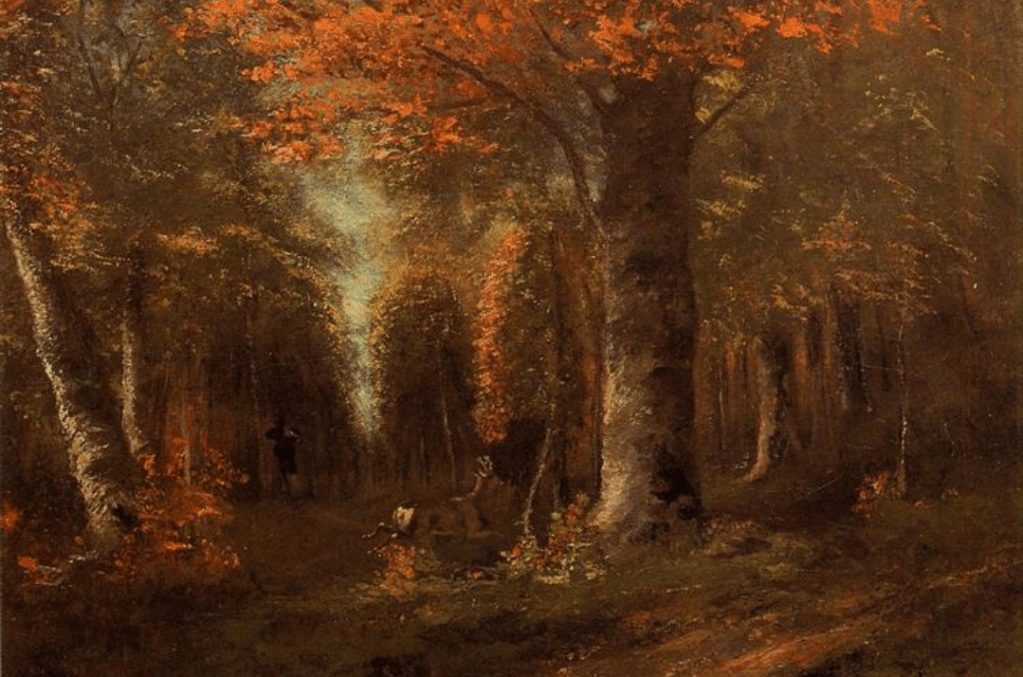
The evergreens. Conifers standing in the snow like they had made a decision about themselves and kept it. I remember the quiet of them, the way they held their color through everything winter asked. I stood inside that cold and felt something pressing against the inside of my chest that I had no name for. I thought stillness was the same thing as survival. I thought if I could hold my shape through enough cold seasons I would come out the other side still whole. I was wrong about that. But I was not wrong in the way I thought I was.
The desert. A vehicle going fast on dry dirt in the night, all the windows down, my hair sucked into the open dry air, wild and completely out of my hands. The speed was not reckless. The speed was the first honest thing my body had felt in years. Wind filling the car like something being let in for the first time. My hair loose and uncontainable and I did not care. I did not care at all. That not caring was the beginning of something I would not understand for a long time.
Field note 002
Before ecdysis begins, the animal grows dull.
Its eyes cloud. It stops eating.
A layer of fluid forms between the old skin and the new.
From the outside it looks like stillness, like nothing is happening.
This is the most active the animal has ever been.
The rabbit in the snow. White and still and completely present in its own body the way animals are, the way they have never been taught not to be. I watched it and felt the full weight of my own watching. Ears up. Body a single held breath. The rabbit knew that cold the way I have always known the rooms I was not safe in. Knew how to make itself small inside a landscape that could take it. And then it lifted. Not ran. Lifted. Something that had been folded inside it the whole time opened. The cold had been the cost of it. The cold had been keeping it. The wings came out and I did not look away.
the body knows before the mind does
The California Conservation Corps. I had just signed my name and the rain came down on concrete, not gentle rain but rain with mass and intention, rain that hit the ground like it meant it. I stood in it. I let it come. Something in my chest that had been clenched for years began, not to open exactly, more to remember that opening was a thing it used to know how to do. The work ahead would ask things of my body and my body would answer. I did not understand then that I was choosing the earth as my witness. That I was asking the soil and the rain and the labor of my own hands to hold what I did not yet have the language for.
Field note 003
The snake finds something rough. Rock. Bark. Root.
It presses its face against it and begins to push.
The old skin peels back and inverts as it goes.
What is underneath is pale and new and briefly exposed to everything.
The snake does not rest when it is finished.
It moves immediately toward warmth.
Five days in the enclosure. The body insisting on its own reckoning without asking my permission, without explaining itself, just: this is what is leaving. I have read that some animals must empty themselves before they can shed. That the gut has to clear. That there is a necessary hollowness before new skin is ready to breathe. I did not know that then. I only knew the tile and the cold of it and the way time became thick and edgeless. I only knew that I was being taken apart from the inside and I could not stop it and something in me, some animal part that lived below thought, understood that this was not punishment. This was process. This was the fluid forming between the old skin and the new. This was the most active I had ever been.
Fog. The middle of the night. The way to cross the threshold was not long but it was the most truthful thing I had ever done with my body and my body knew it before I did. The fog sat on the streetlights like something breathing. My feet knew the direction before I had made any decision. And then there was a person who looked at me and their looking had no condition attached to it. Kindness so specific and unhurried it had weight. I had forgotten that strangers kept that inside them. I had forgotten I was something worth being kind to. I stood in it and felt it move through me the way warmth moves through a cold room, from the edges in, slowly, until it reaches the middle.
Field note 004
The hermit crab does not grow its own shell.
It finds one. Tries it. Moves on or moves in.
When it outgrows the old one it must leave itself exposed,
soft-bodied in open air, nothing between it and everything,
until it reaches the next one.
There is a moment between shells when it is nothing but animal.
That moment is not a failure.
That moment is the whole point.
The crab molting. Hunched against a rock and laboring. The old shell coming away in pieces, not clean, not fast, just the slow difficult work of leaving. The body underneath was so pale it looked like it had never been touched by light. I stayed with it. I did not look away when it was ugly or when it looked like it hurt or when it was taking too long. When it finally stilled I felt something move through me that lives underneath language. Recognition. The particular relief of being witnessed in the hardest part. Of having something see you in the gap between what you were and what you are not yet and not flinch.
The mirror shows you the surface.
The mirror shows you the surface of the surface.
The mirror has never known what you are becoming.
You have stood there anyway.
You have stood there and looked until the looking became something else entirely.
Until the face on the other side of the glass began, slowly, to be yours.
The shed skin was not a lie. It was real skin once. It fit once. It was the shape I wore through years that required it and it held and it held and it held until it could not hold anymore and then I had to press my face against something rough and push. That is not a metaphor. That is exactly what happened. My body knows it. My hands know it. The river knows it. The conifers standing in all that snow knew something I am only now beginning to understand. That staying is its own kind of shedding. That some things survive by remaining. I am not one of those things.
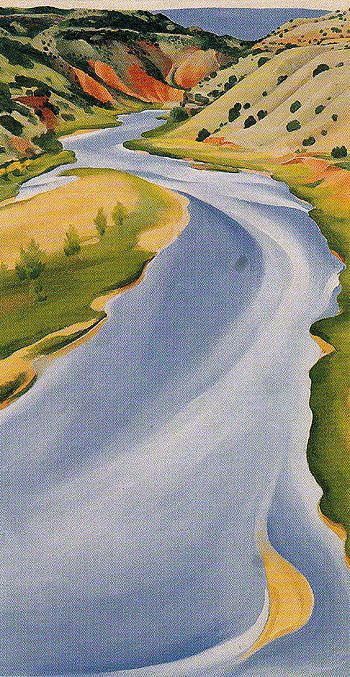
I am the rabbit that lifted. I am the crab in the gap between one shell and the next. I am the snake moving toward warmth with new skin still tender from the air. What I left behind still holds my shape, perfectly, completely, the way a husk holds the memory of a wing. I look at it now the way you look at snow in branches the branches no longer need to carry. With something that is not grief. With something that has learned, slowly, in the body first and the mind after, tenderness toward the thing I survived. Something without a name that lives in the hands and the river.
 Journal of Skvader
You must be logged in to post a comment.